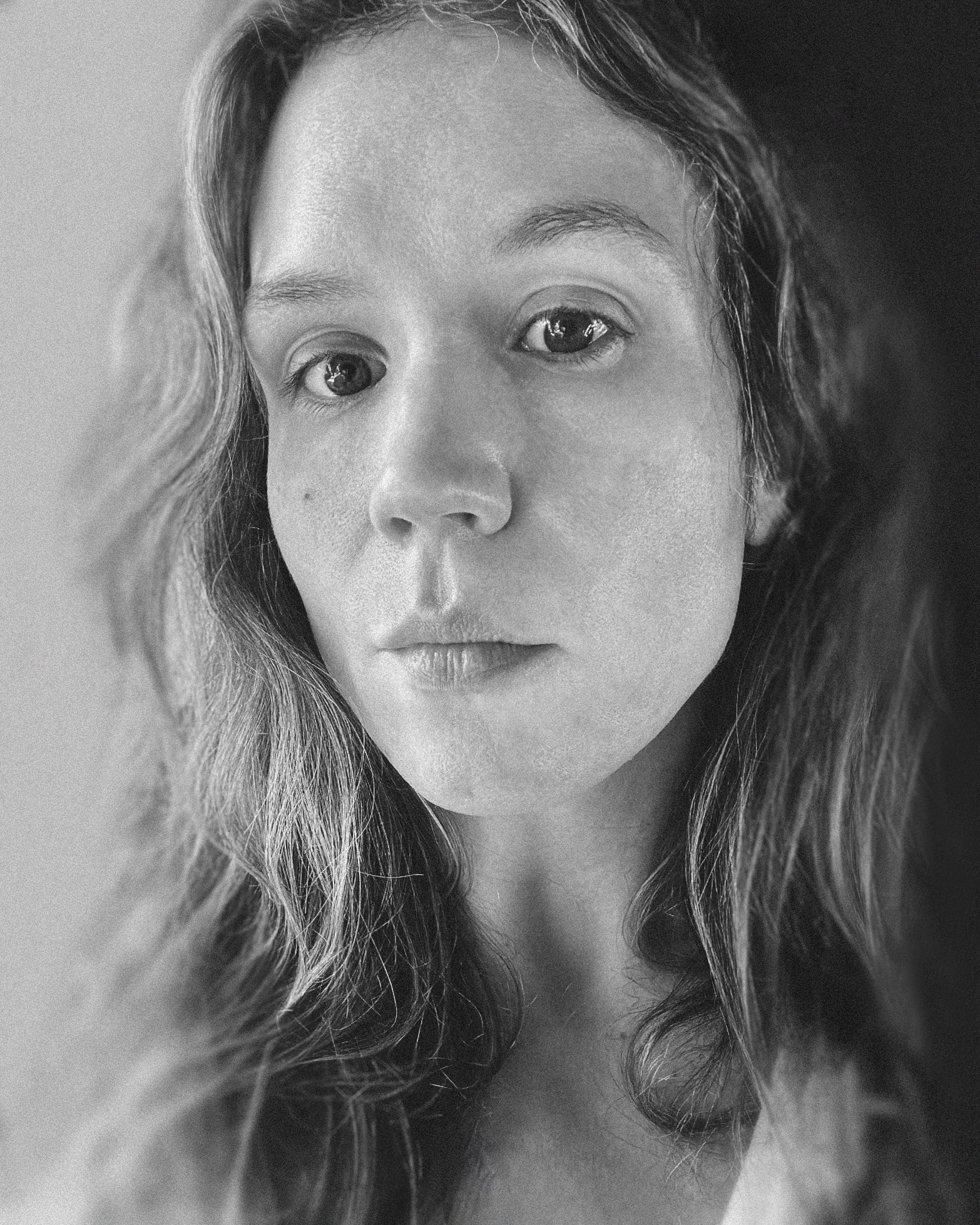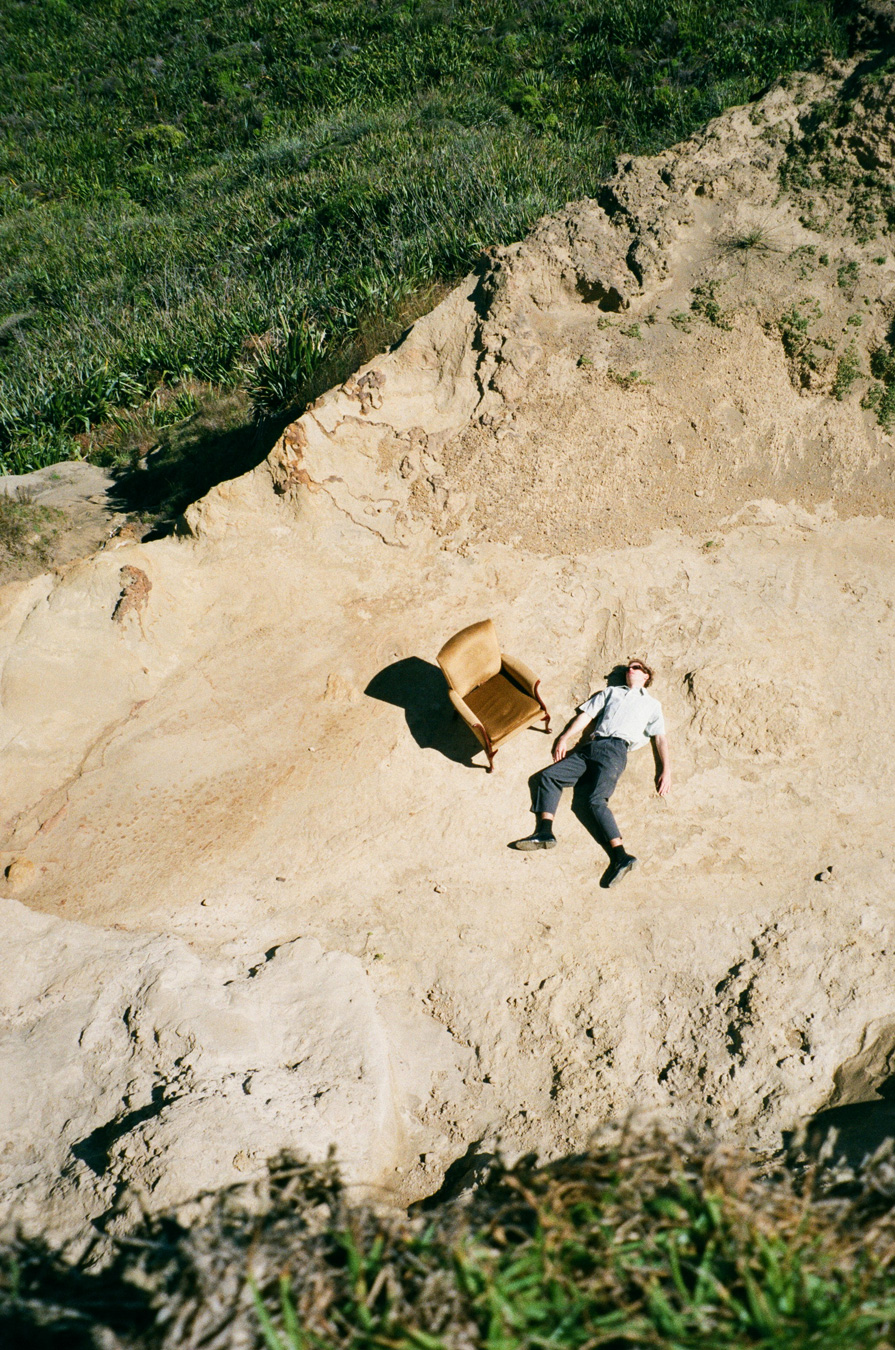



The line between creating art and a paying gig can often feel thin—even non-existent. One day, you’re shooting a commercial assignment; the next, you’re trying to figure out how to make something that feels like it’s really yours. If you’ve been working as a photographer for a while and find yourself itching for something new, you might be looking for a way back to the heart of what you do. I once worked for a talented pastry chef in a cafe, and she confessed that while she could make stunning cakes, tarts, and muffins, what she really liked to make for herself was pie. We never sold pie. It’s something she kept for herself.
This is the beauty of fine art photography. It’s an arena where you can set your own rules and use your medium to speak to an internal, psychological process and need. It’s an act of expression, not just of documentation.
Whether you’re new to the concept or looking for a way to re-engage with your inner drive, this guide will help you reframe your thinking and shift your approach to fine art photography.

¿Qué es la fotografía artística?
It’s a deceptively simple question posed here for SEO purposes–I respect you too much to pretend otherwise. Despite the challenge of a firm answer–there isn’t one universally accepted definition. I think the distinction of fine art photography is less about a final look and more about your initial intent.
Artistic Photography Starts with an Internal Vision
Unlike commercial photography or photojournalism, fine art photography starts with an internal vision. It’s not about documenting the world as it is, but about using the medium as a vehicle for a concept, emotion, or intangible idea. Your final image, even if it captures something in the real world, ultimately serves as a representation of your own perspective, thinking, or even an insight into your dreaming state.
A Focus on Meaning and Emotion
Fine art photography allows you to break the rules and play, unrestricted by practical limitations–especially when the potentials of collage, and photo manipulation are considered. Maybe your image is completely out of focus (Uta Barth would disagree), or the composition is “all wrong.” These aren’t technical errors; they’re choices that contribute to the emotional impact of the piece. The main goal isn’t to demonstrate technical skill, but to convey an idea, an emotion, or a message. All components that are intrinsically flawed, messy, and idiosyncratic.
Fine art photos can be carefully staged and composed with care and intention with every element—from the subject to the light to the colour palette—considered, but this is not the only approach. Fine art images can also be candid snapshots that capture something of your lived experience. Think of artists like Nan Goldin and Wolfgang Tilmans, who document their lives, and not always with perfect exposure or composition, the power of their images are their content, the emotional weight they carry. If conceptualizing and orchestrating images isn’t for you, you may be someone who works from an instinctual, unconscious place, and that is entirely valid.

The best approach for photographers who are more comfortable with this way of making is to keep your camera on you at all times, and shoot everything and anything that compels you. Treat fine art as a two-step process–instinct first, the balance of art will be in your editing.
The best way to understand fine art photography is to see it in practice. Check out the work of other artists to get a feel for how they interpret the world. Go to an exhibition at your local galleries or museums, check out the incredible portfolios of other photographers
Conecta con tu comunidad
Sube el nivel de tu marca con un sitio web de portafolio profesional.
Famous Fine Art Photographers
Zanele Muholi: Conceptual portraiture, activism
Awoiska van der Molen: Abstract landscapes
Nan Goldin: Deeply personal snapshots from daily life.
Gillian Wearing: Conceptual photography, performance
Wolfgang Tilmans: From personal snapshots to abstraction
Thomas Ruff: Conceptual, explores photography as a medium
Sophie Calle: personal narratives, fictions. Photography and text.
Cindy Sherman: Conceptual portraiture, performance
Getting Inspired: A Path to Finding Your Voice
Finding your voice (so-to-speak) can feel like an overwhelming task. What’s your story? What do you want to say? Sometimes, the best thing to do is to actually stop trying so hard. A lot of great art comes from a place of not looking for it.
Take a Break and Reset
If you’re stuck, step away from your camera and your computer. Get out of your usual environment. Go for a walk without a destination in mind–so much of my work came from walking thousands of kilometers without having an idea of what I wanted to shoot–just capturing what caught my eye.
Read a Libro that has nothing to do with your work or art at all. Watch a película that challenges your perceptions or puts you in a frame of mind that you know works for you (flow state!). Inspiration often strikes when you’re not actively searching for it. Getting out of your head–where doubt and insecurities live, and into the physical world can give you the creative kick you need.

Look at the World, Not Just the Art
While it’s important for visual literacy to look at the work of other artists and find voices that resonate with you, don’t let their styles or current aesthetic trends dictate your own. Instead, use their work to understand how they see the world. Then, apply that same intentionality to your own life and experiences. What’s a personal story you can tell? What’s an experience you’ve had that you can translate into a visual language?
A truly authentic personal vision will always be more compelling than a mimicry of a popular style.
Recommended Viewing & Reading
To help you along, here are some resources that can help break a creative block:
- 5 libros que todo artista debería leer
- Ver Fiesta: Películas imprescindibles para fotógrafos
- 20 fotógrafos de bellas artes que redefinen el medio
The Photographer’s Toolbox: Gear & Approach
There’s a misconception that you need the newest, most highly rated gear to create art.
You Really Don’t Need Much
The only essential equipment is your camera and your eye. In a world of ever-advancing technology, many fine art photographers choose to shoot with film–35mm, medium format, or instant or even older digital cameras/their phones. This isn’t a rejection of progress but a deliberate choice to focus on the process and the vision rather than the technical specifications.
Many of the automated features on modern cameras can hinder your creative process. By shooting in manual mode, you force yourself to make every decision, from focus to exposure, and take complete creative ownership of your images, conversely, to stop from getting hung up on settings, you can switch to automatic or cameras with limited settings (polaroid/instax, toy 120 film cameras).
Your Most Valuable Accessory
If there’s one piece of equipment worth investing in beyond your camera, it’s a tripod. It allows you to experiment with long exposures, precise compositions, and a self-timer if you’re a Cindy Sherman type and want to perform your concepts. It’s also great for techniques that require a steady hand.*
It gives you the freedom to slow down and create with purpose.
*As someone with shaky hands, I love my Manfrotto tripod.
Exploring Fine Art Photography Genres
Now on to some genre examples to give you an idea of where you can apply your approach. Remember, these are just starting points—feel free to bend, break, and blend the rules.

Fotografía artística de retratos
The traditional rules of portraiture are out the window. The subject’s face doesn’t have to be visible. Their identity is not the point; their emotion or role in the narrative is. You are the director, and your model is a collaborator in telling your story.
You can try to:
- Create a Moodboard: Visual aids can help your model understand your idea. Don’t be afraid to ask them to try unusual poses or expressions to embody the emotion you’re seeking.
- Keep It Simple: Shooting against a plain background can force you to focus on the subject’s expression, body language, and the way light interacts with them.
- Embrace Location: Find a location that adds to the narrative of your piece. Just a word of caution, check for visual cliches like: graffiti-scrawled alleys, isolated beaches, which is not to say you can’t use them, just make it right for your idea.
- Shoot a Self-Portrait: Don’t have a model? You’re the perfect, most available subject. A self-portrait can be a compelling way to connect with your audience and yourself. Also, your labour is free–well, to you.

Fine Art Black and White Photography
Black and white isn’t just a filter; it’s a different way of seeing. By stripping away colour, you place all the emphasis on the elements of light, shadow, texture, and form. It can lend your work a timeless or dramatic feel.
You can try to:
- Think in Tones: When you’re out shooting, don’t just look for colour. Look for contrast. See the world in shades of gray.
- Shoot in Colour, Edit in Monochrome: Don’t use your camera’s B&W mode. Instead, shoot in colour and convert the image in post-processing. This gives you more control to manipulate the tones of specific colours and achieve the exact look you want.
- Spend Time Tweaking: Photography is 40-60% post-production. Some of the most artistic decisions happen in the editing room.You can of course use presets, but I encourage you to experiment with some of the finer tools like “Curves” and “Levels” adjustments in Photoshop to dramatically change the mood of your images.

Fotografía artística de paisajes
A fine art landscape isn’t just a nice picture of a place. It’s a personal interpretation of it. You are not just observing the world; you are interpreting it and adding a narrative. Some factors already do this: your distance, your physical height, where you puede go, where you no puedes. Experiment with the factors you can change.
You can try to:
- Tell a Story: Look for elements that can help you create a narrative. I once found an abandoned snowsuit hanging from a tree and posed like a person. Weird and interesting things exist out there, go find them.
- Create an Unnatural Look: Use post-production to create surreal or otherworldly tones. Change the colours of the sky or the trees. This helps you move the image from a representation of reality to a reflection of your imagination.
Use Negative Space: Don’t be afraid of empty space. Negative space can draw the viewer’s eye to a single subject and make the meaning of your photo more powerful.

Fotografía artística conceptual
This is definitely a genre in which you can blend approaches, and even move away from strict photography into collage, manipulation and mixed media.
- Start with a clear idea.
- Use your location, model(s), props, lighting and elements of your conceptual framework to create your scene.
You may need to work some elements into the scene in post-production–which doesn’t necessarily mean using generative AI, let me be clear. There is still room for you to take all of your components and merge them in post. Remember, barring a grant or massive private budget, some ideas require a bit of digital intervention to realize.

The Artist’s Hustle: Business and Beyond
We know that creating fine art photography doesn’t always (or maybe ever) pay the bills, especially at the beginning. It’s a labour of love and a drive toward self-expression that often requires a separate source of income to support.* This doesn’t devalue your art; it just makes it a sustainable practice.
Supporting Your Practice: Grants and Funding
Don’t be afraid to apply for grants. These are designed to support artists in doing what they do best: creating. Organizations recognize the value art brings to society and want to help you make it. The key to a successful application? A strong portfolio that clearly communicates your vision.
Related: Guía para artistas emergentes: Cómo solicitar convocatorias abiertas y subvenciones
Fijar el precio de tu trabajo
Pricing fine art is often more challenging than pricing commercial work. Don’t undervalue your work. It’s a disservice to both yourself and the broader art community. Consider your time, materials, and printing costs, but also factor in your experience and the value of your unique perspective and style. Talking to other artists and galleries can help you understand the market for your work.
Related: Cómo poner precio a su fotografía
Showcasing Your Art: Portfolios and Galleries
Look, I know I work here and it is literally my job to say this, but it’s also true: your online portfolio is your most important asset.
I’m a fine art photographer and writer who is primarily web-based; my portfolio website is where I find the most artistic freedom, and because I have a creative position I love that sustains my living, I can afford to make non-commercial work. My website is everything to me. It’s practically my digital studio.
For any photographer who wants to share, or sell their work, it remains essential–It’s your personal gallery that you control completely. Unlike social media, you don’t have to fight an algorithm to be seen. You can build a search-engine optimized website that brings prospective clients and curators to you.
Whether you want to sell prints directly or attract a gallery’s attention, a portafolio profesional is crucial. It shows that you’re serious about your craft and gives your work a professional home. A well-designed website can make all the difference, so make sure to choose a platform that allows you to customize your site without knowing how to code. Being able to present your work beautifully and effortlessly will give you more time to create.
Related: How to Get an Art Gallery to Showcase Your Work
Go Forth & Make!
Making art is one of the most emotionally and mentally rewarding endeavours you can engage in as a creative professional. It gives you a space to explore your own voice free from external constraints of clients or commercial project.
You’ve now got the conceptual tools to start. The most important step is to simply begin. Grab your camera, get out there, and start creating something that feels like you.
If you’re ready to build a professional home for your work, you can get started with a free 14-day trial on Format.
Colaborador
-

Julia Martin es una artista interdisciplinaria y escritora afincada en Montreal. Con un máster en Bellas Artes y una licenciatura en Fotografía, tu obra ha sido expuesta en Canadá, China, Francia y Finlandia, incluyendo múltiples residencias artísticas. Ha impartido clases en la Universidad de Ottawa, ha formado parte de jurados artísticos y cuenta con quince años de experiencia como fotógrafa autónoma. La práctica artística de Julia podría describirse como "historias tristes salpicadas de chistes"."
Aunque a veces es al revés.